How to Write a Team Leader Resume, with Examples
Show team size, coaching, daily decisions and results in a team leader resume. Includes fictional summary and bullet examples, plus advice for a first promotion.
A team leader resume should explain what the team does, what you decide and how you help the work get done. A list of leadership qualities cannot show that on its own. Start with the vacancy, identify the function and choose examples of responsibilities you have actually held.
Define the team and your authority
State the setting: customer support, warehouse operations, software delivery, retail or another function. Then identify useful scope such as team size, shift coverage, product area or work volume. A team leader title does not automatically mean company-wide strategy, budget approval or authority to hire.
For example, coordinating a daily roster is different from deciding the department’s headcount. Coaching new colleagues is different from owning formal performance reviews. Use the verb that describes your responsibility, and name collaboration when a manager or another team made the final decision.
Write a specific opening summary
Fictional example: “Customer service team leader coordinating a 12-person support shift. Coaches advisers, reviews unresolved cases and keeps handovers clear across account-access and billing queries. Earlier experience handling complex customer requests.”
This summary gives the reader a team, function and level of responsibility. It does not claim excellent leadership without evidence. Replace the setting and scope with your own details. A short summary is optional if the role and experience are already clear from the first job entry.
Show leadership through the work
Before: “Responsible for motivating the team.” Illustrative revision: “Coached five new advisers through supervised calls and weekly feedback during their first month.” The revised line identifies who received support and what the coaching involved.
Before: “Improved team productivity.” Illustrative revision: “Introduced a named-owner review for unresolved cases; the queue older than five working days fell from 38 to 19 during the quarter.” Keep the measurement, period and your role clear. If other changes contributed, do not present the result as yours alone.
Before: “Strong communication skills.” Illustrative revision: “Created a shift-handover template recording open cases, next actions and owners, then tested it with both support shifts.” This gives a reader a communication process they can ask you about. All figures in these examples are invented for illustration.
Make a promotion easy to follow
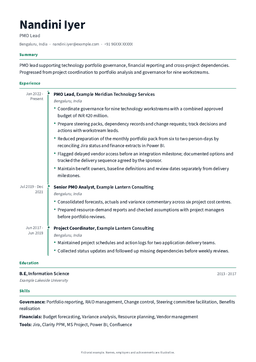
Use separate entries for different roles at the same employer when the scope changed. Put the latest role first. For an adviser-to-leader progression, the earlier entry might cover case handling and escalation, while the later entry covers allocation, coaching and review.
If you are applying for your first team leader role, keep your current title accurate. Use genuine examples of training a colleague, coordinating a shift, leading a project or covering a manager’s absence. State the period and authority of temporary cover rather than silently replacing your job title.
Choose the supporting sections
Group skills around the actual work: queue allocation, coaching, reporting, customer escalation or relevant technical systems. Put important skills into experience bullets where you can show their use. Avoid filling the skills section with unsupported personality traits.
Include relevant education and qualifications with accurate names and dates. Once work experience is your strongest evidence, education can be brief. Add a certification only if you hold it and it matters to the role; taking a course and earning a certification are different claims.
Review the final version
Check that team size and results refer to the right period, that the summary agrees with the job history, and that every management claim has a supporting example. Use clear headings and inspect the exported file. Follow the employer’s instructions for file type and length.
You do not need to describe private employee problems to demonstrate leadership. Explain the coaching or review process and your actions without naming colleagues or disclosing their personal circumstances.
See an assistant manager example with a visible service-role progression.